10 REASONS WHY YOU WANT TO LIVE AND INVEST IN LISBON
10 RAZÕES PARA VIVER E INVESTIR EM LISBOA
Lisbon is looking for and beginning to attract new blood. Europe’s forgotten “sleeping beauty” of the 20th century woke up after 1998’s World Fair, and local and foreign residents are injecting doses of cutting-edge creativity despite all the economic hardships. It’s on its way to becoming one of the places to be in Europe, to live and do business in (confirmed by the Financial Times/fDi Magazine which for the first time placed Lisbon on a list of “European Cities & Regions of the Future” 2012-13). Here’s why:
Lisboa procura e começa a atrair sangue novo. A “bela adormecida” da Europa durante o século XX acordou depois da Expo 98 e lisboetas e estrangeiros têm injetado inovação na cidade apesar de todas as dificuldades económicas. Lisboa está a caminho de tornar-se uma das cidades mais atraentes da Europa, para viver e para investir (confirmado pelo Financial Times/Revista fDi que pela primeira vez colocou a capital portuguesa numa lista de “Cidades e Regiões Europeias do Futuro” 2012-13). Eis porquê:

1| LOCATION
One of the main advantages of being in Lisbon is that it’s the closest European capital to the United States and to South America, particularly to booming Brazil. There are more flights from Lisbon to more cities in the former Portuguese colony than from any other city in the world. Lisbon also maintains privileged ties to its former African colonies, especially Angola. It’s also less than one hour away from Madrid with several flights every day, and about two and a half hours from Paris and London (it’s the only capital in mainland Europe sharing the same time zone with the British capital).
Being on the edge of Europe also means that the ports of Lisbon, Sines and Setúbal are gateways to the old continent and to a market of 250 million Portuguese speakers around the world.
1| LOCALIZAÇÃO
Uma das principais vantagens de estar em Lisboa é o fato da cidade ser a capital europeia mais próxima dos Estados Unidos e da América Latina, especialmente do Brasil. Existem mais vôos de Lisboa para mais cidades brasileiras do que de qualquer outra cidade no mundo. Lisboa também mantém relações privilegiadas com as suas ex-colónias africanas, particularmente com Angola.
Está também a menos de uma hora de Madrid com vários vôos todos os dias, e a cerca de duas horas e meia de Paris e de Londres (é a única capital europeia no mesmo fuso horário da capital britânica).
Estar na ponta da Europa também significa que os portos de Lisboa, de Sines e de Setúbal são portas de entrada para o velho continente e para um mercado de 250 milhões de lusófonos espalhados pelo mundo.

2| WEATHER
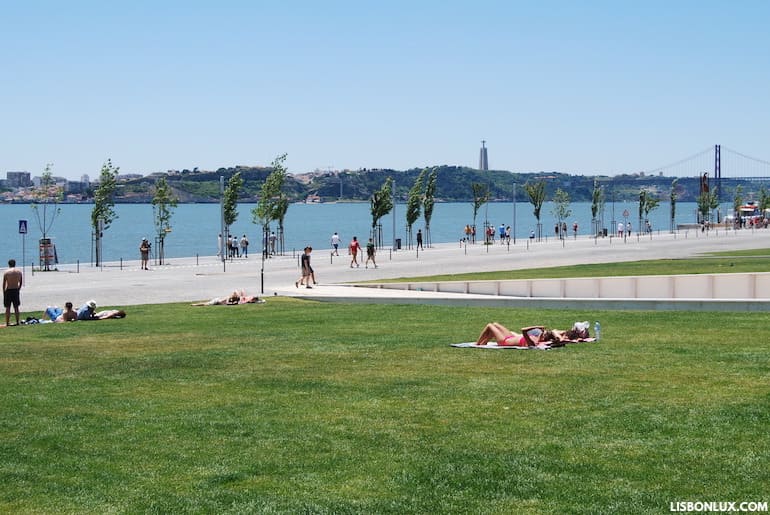
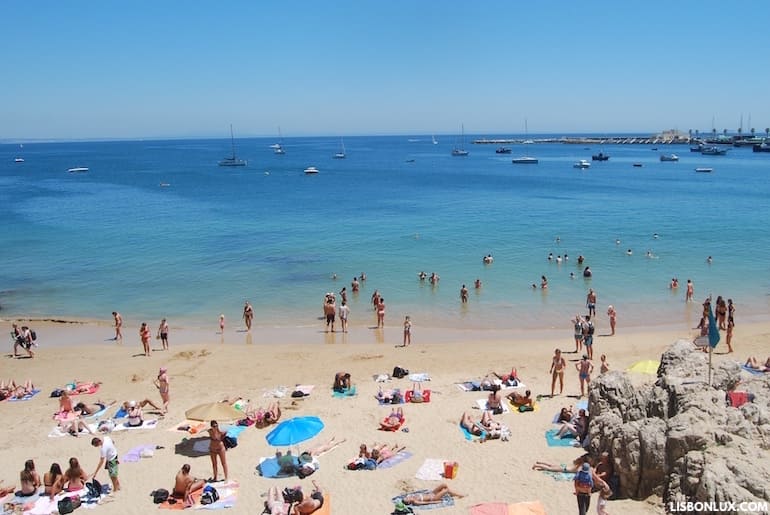
With close to 300 days of sunshine throughout the year, no snow, and temperatures that never reach the freezing point, Lisbon is a truly blessed city. It’s great living in a place where you can have beach days in October or March, where you can sit comfortably outside at a café terrace in February, and where you don’t have to worry about the dangers of snow on the ground.
2| CLIMA
Com cerca de 300 dias de sol durante o ano, sem neve e temperaturas que nunca chegam a baixo de zero, Lisboa é uma cidade verdadeiramente abençoada. É um privilégio viver onde é possível ir à praia em outubro ou março, onde se pode sentar confortavelmente numa esplanada em fevereiro, e onde não existem preocupações com os perigos da neve congelada na rua.

3| SAFETY
Lisbon officially has the lowest homicide rate of any European capital and the lowest number of residents who have been victims of any crime in the previous five years, making it Europe’s safest capital. Naturally as a big city that doesn’t mean it’s crime-free, and you do hear reports of petty crime like pickpocketing and car break-ins are not that uncommon. But compare Lisbon’s safety issues with that of any major city in the world and you begin to get a sense of how much safer and lucky you really are in Lisbon.
3| SEGURANÇA
É oficialmente a capital com a menor taxa de homicídios na Europa e com o menor número de residentes que foram vítimas de qualquer crime nos últimos cinco anos, sendo por isso a capital mais segura do continente. Obviamente como em qualquer outra grande cidade isso não significa que o crime não existe, e ouve-se falar de pequenos delitos como o roubo de carteiras e assaltos a automóveis que não são muito infrequentes. Mas comparando a criminalidade de Lisboa com a de qualquer grande cidade do mundo dá-se graças pela segurança que os lisboetas ainda têm.

4| QUALITY OF LIFE
Safety and agreeable weather are just two factors that contribute to a high quality of life in Lisbon. Freedom, human rights, a stable democracy, recreation facilities and leisure time also make the Portuguese capital one of the best places to live in Europe. Residents can be at the beach just minutes from downtown, or enjoy nature in several green spaces such as Monsanto, the largest urban forest in Europe. Golf, surfing (Europe’s first surfing reserve is 30 minutes away) and other outdoor activities are also more accessible here that in other European capitals.
The people of Lisbon live complaining about everything that is wrong with their city (and they do have many reasons to, just like anywhere else), but they do live a more relaxed life at a more human pace, reflected in their long dinners, coffee breaks, and stops to enjoy the views.
4| QUALIDADE DE VIDA
Segurança e um clima agradável são apenas dois fatores que contribuem para uma elevada qualidade de vida em Lisboa. A liberdade, direitos humanos, uma democracia estável, espaços recreativos e de lazer também fazem da capital portuguesa um dos melhores lugares para se viver na Europa. Os lisboetas podem estar na praia a poucos minutos do centro da cidade, ou podem desfrutar da natureza em vários espaços verdes como Monsanto, o maior parque florestal urbano da Europa. Golfe, surf (a primeira reserva de surf da Europa fica a 30 minutos de distância) e outras atividades ao ar livre também são mais acessíveis aqui do que em outras capitais europeias.
Os lisboetas vivem a reclamar sobre tudo o que está errado na sua cidade (e na maioria dos casos têm razões para isso tal como em qualquer outra cidade) mas no fundo têm uma vida descontraída e vivem num ritmo muito mais humano, refletindo-se nos seus longos jantares, nas pausas para café, e nas paragens para simplesmente apreciar as vistas…

5| REAL ESTATE OPPORTUNITIES
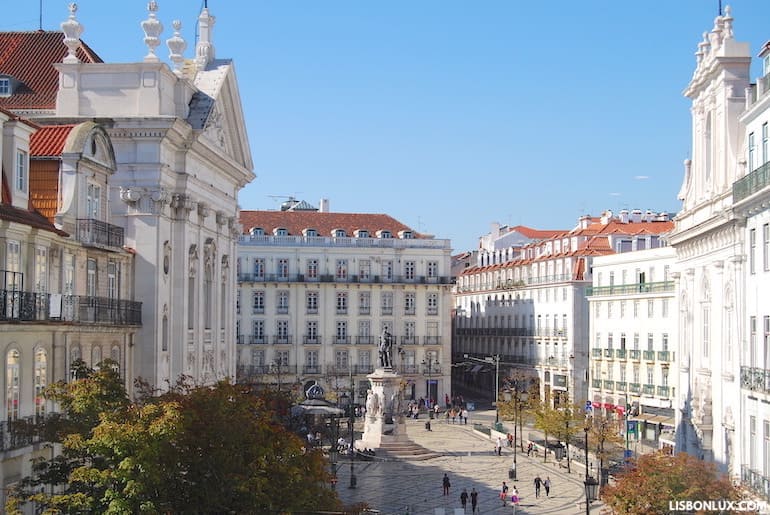
When the higher classes moved to the suburbs by the sea (Cascais, Estoril and Sintra) and the middle class moved to the city’s northern districts, Lisbon’s center was abandoned to the lowest classes, especially to poor pensioners living on frozen rents. The buildings reached a shockingly advanced state of decay but in the past two decades there has been a massive effort to renovate the old historic center of the city. While it looks like most of the work still needs to be done, seeing photos of Alfama from 20 years ago shows just how much has already been achieved. As the mostly elderly population dies, younger investors renovate homes and discover the charm and the privilege of living in the center of the city.
Foreigners have also discovered Lisbon and have bought entire buildings in the older neighborhoods. The historic atmosphere also attracts tourists so the current trend is to renovate buildings and rent the apartments for short stays. Despite the renovation boom, prices haven’t gone up. That’s due to the economic crises, so those who can invest will find that there’s no better time than now, especially when in about 20 years there will be fewer opportunities and inevitably-higher prices. Formerly rigid tenancy rules have also finally been loosened up, opening up a new market for long-term rentals.
5| OPORTUNIDADES IMOBILIÁRIAS
Quando as classes mais altas mudaram-se para os subúrbios à beira-mar (Cascais, Estoril e Sintra) e a classe média mudou-se para a periferia, o centro de Lisboa ficou abandonado para as classes mais baixas, especialmente para os pensionistas que vivem com rendas congeladas. Os edifícios chegaram a um estado avançado de degradação, mas nas últimas duas décadas tem havido um esforço para renovar o centro histórico da cidade. Pode parecer que grande parte das obras estão ainda por fazer, mas olhando para fotografias de bairros como Alfama de há vinte anos atrás verifica-se o que já se conseguiu reabilitar. Com a população mais idosa a desaparecer, investidores mais jovens renovam casas e descobrem o encanto e o privilégio de viver no centro da capital.
Os estrangeiros também já descobriram Lisboa e têm adquirido edifícios inteiros nos bairros mais antigos. O ambiente histórico também atrai turistas e a tendência atual é a renovação de prédios para o aluguer de apartamentos turísticos.
Apesar do crescimento da reabilitação, os preços dos imóveis não têm subido. Isso deve-se à crise económica mas os que podem investir verão que não há melhor momento do que agora, especialmente quando num futuro próximo haverão menos oportunidades e os preços serão inevitavelmente mais altos. Além disso as antigas leis restritivas de arrendamento foram finalmente atualizadas, abrindo assim um novo mercado para o arrendamento de longa duração.

6| BUSINESS OPPORTUNITIES
Because the Portuguese market has become known for being open to technological innovation, it’s been used by international companies as a test for new products. It’s now much easier to do business in Portugal, and the European Union has recognized it as one of the countries that most reduced bureaucracy. It’s possible to set up a company in less than one hour, and according to the 2010 Global Benchmark Report, Portugal is the 7th country in the OECD with the lowest level of costs and taxes.
6| OPORTUNIDADES DE NEGÓCIO
O mercado português tornou-se conhecido pela sua abertura à inovação tecnológica e tem sido usado por multinacionais para testes de mercado de novos produtos. É agora muito mais fácil investir em Portugal, e a União Europeia reconheceu o país como um dos que mais reduziram a burocracia. É possível criar uma empresa em menos de uma hora, e de acordo com o Global Benchmark Report 2010, Portugal é o sétimo país da OCDE com menor nível de custos e impostos.

7| MODERN INFRASTRUCTURE
Portugal is in the world’s top 10 for best road network, and while people in Lisbon will say that was in detriment of other more useful investments, it does reflect the focus on modernizing the country in the last couple of decades. The expanded airport is within 15 minutes of downtown, there’s a modern metro, new hotels and conference centers are growing businesses, and there are new world-class research centers (such as the Champalimaud Foundation which helped Portugal become the 4th country in the OECD with the biggest rate of researchers in the fields of science and engineering).
7| INFRAESTRUTURA MODERNA
Portugal situa-se entre os dez países com a melhor rede de estradas no mundo, e enquanto os portugueses dirão que existiam investimentos mais úteis, também é verdade que isto demonstra a concentração na modernização do país nas últimas décadas. O aeroporto também foi ampliado e fica a 15 minutos do centro da cidade, há uma rede de metro moderna, novos hotéis e centros de conferências são investimentos em crescimento, e existem novos centros de investigação de nível mundial (como a Fundação Champalimaud que ajuda Portugal a manter o seu quarto lugar na OCDE na maior taxa de investigadores nas áreas de ciência e engenharia).

8| INNOVATION AND TECHNOLOGY
Lisbon was the first city in Europe to set up a network of electric car recharging stations, was recognized in 2011 as having Europe’s best fiber optic network, and Portugal has pioneered services in banking (particularly ATM), telecommunications, and renewable energy (close to 60% of the electricity in the country comes from renewable sources). These are just a few examples that reveal the experience and the opportunities in innovation and technology in Lisbon.
8| INOVAÇÃO E TECNOLOGIA
Lisboa foi a primeira cidade da Europa a instalar uma rede de abastecimento de automóveis elétricos, foi reconhecida em 2011 por ter a melhor rede de fibra ótica da Europa, e Portugal foi pioneiro em serviços bancários (particularmente no multibanco), nas telecomunicações e nas energias renováveis (cerca de 60% da eletricidade do país vem de energia renovável). Estes são apenas alguns exemplos que demonstram as experiências e as oportunidades que existem nas áreas da inovação e tecnologia em Lisboa.

9| HUMAN RESOURCES
Unlike in the rest of southern Europe, you’ll find that in Lisbon there’s a sizable multilingual population, with 42% speaking two languages (especially English) and 23% speaking at least three. Improvements in education levels also means that there’s never been a better-prepared young generation in the country entering the job market.
9| RECURSOS HUMANOS
Ao contrário do que se verifica noutras zonas do sul da Europa, em Lisboa existe uma população multilingue considerável, com cerca de 42% a falar duas línguas (uma delas geralmente inglês) e 23% fala pelo menos três idiomas. Melhorias nos níveis de educação também significam que nunca houve uma geração jovem tão bem preparada a entrar no mercado de trabalho.

10| TOURISM GROWTH
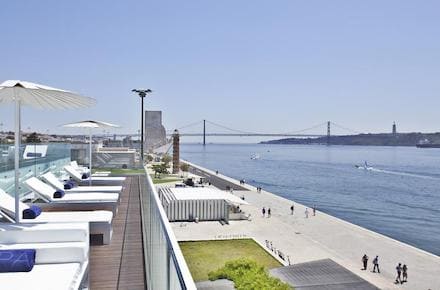
Lisbon hasn’t yet explored its full potential as a tourism destination, meaning it’s a tourism hotspot of the future. While it’s recently been given several high-profile awards (Europe’s Best Tourist Destination, Cruise Destination and City Break in 2009’s World Travel Awards), and while it’s one of the world’s top 10 cities for corporate events, it’s still overlooked as one of Europe’s must-see capitals. It’s a growing low-cost and cruise destination, but it still doesn’t attract major markets beyond the British, Spanish, French and Italian. It receives very few Asian tourists, and despite its proximity to the United States, American tourism to the city has only now begun to have any significance. That’s due to poor marketing and a poor projection of the city’s identity. The world simply doesn’t yet associate Lisbon to any particular image, but as visitor numbers grow, so does the city’s brand. Lisbon’s future is in large part in its tourism, as it now receives more visitors than Algarve. If there is one smart investment in Lisbon, it’s in tourism, particularly in accommodation and cultural activities downtown and in historic neighborhoods.
10| CRESCIMENTO TURÍSTICO
Lisboa não tem explorado o seu verdadeiro potencial turístico, o que significa que é um destino do futuro. Foi reconhecida recentemente com prémios internacionais (Melhor Destino Turístico, Melhor Destino de Cruzeiros e Melhor “City Break” da Europa nos World Travel Awards de 2009), mas apesar de ser uma das dez principais cidades para eventos empresariais, é ainda esquecida como uma das capitais imperdíveis da Europa. Tem vindo a crescer como destino de baixo custo e de cruzeiros, mas ainda não atrai grandes mercados além do britânico, espanhol, francês e italiano. Recebe poucos turistas asiáticos, e apesar da sua proximidade aos Estados Unidos, o turismo americano na cidade só agora começa a ter alguma relevância. Isso deve-se a uma fraca divulgação e projeção da identidade da cidade. O mundo simplesmente ainda não associa qualquer imagem a Lisboa, mas com o número de visitantes a crescer surgirá uma imagem de marca da capital portuguesa. O futuro de Lisboa é em grande parte o seu turismo que já ultrapassa o do Algarve em número de estadias. Se existe um investimento seguro em Lisboa é certamente no turismo, especialmente em alojamento e atrações culturais nos bairros históricos da cidade.
LINK: http://www.lisbonlux.com/magazine/10-reasons-why-you-want-to-live-and-invest-in-lisbon/
Lisbon is a place of so much potential and possibilities. Too bad few people in the city see that. I agree with this recent quote from designer Christian Louboutin:
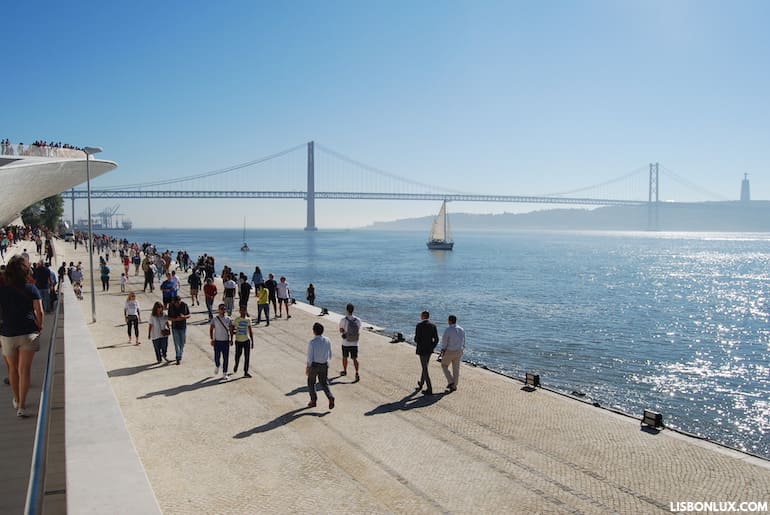
“Above all, I love Lisbon, it is a beautiful capital city with fantastic buildings and generally a great atmosphere. It feels like a city with possibilities. Its position, directly looking out on the sea, gives me the impression that I am looking out to the other side of the world.”
(http://theclub.ba.com/uki/en/look-whos-dropped-in.html)