A Brasileira
Rua Garrett, 120-122 (Chiado)
213 469 541
Opens every day
www.abrasileira.pt
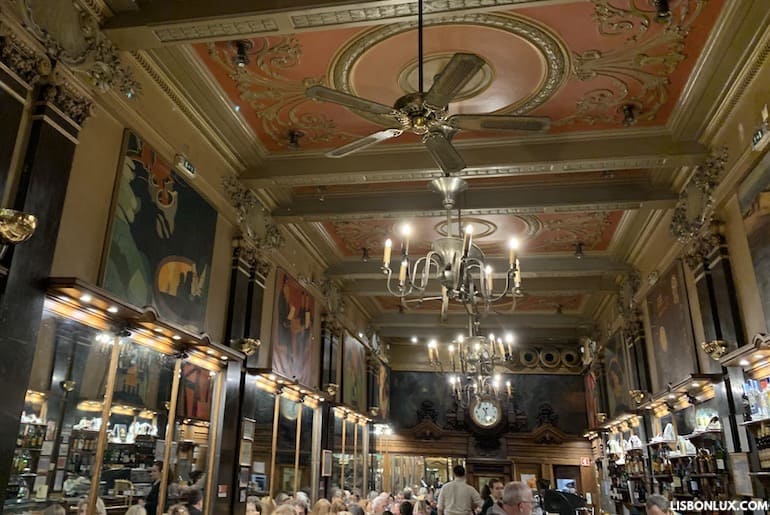
This is Lisbon's most famous historic café. It opened in 1905 and maintains a beautiful Art Deco interior made up of wood, modernist paintings, mirrors and marble, plus a much-photographed statue of poet Fernando Pessoa outside. No visit to Lisbon is complete without photographing the poet, so tourists usually take over most of the outdoor seating. It stays open until late, and although the coffee no longer comes exclusively from Brazil, it's as good as ever.
À Margem
Doca do Bom Sucesso (Belém)
918 620 032
Opens every day
www.amargem.com
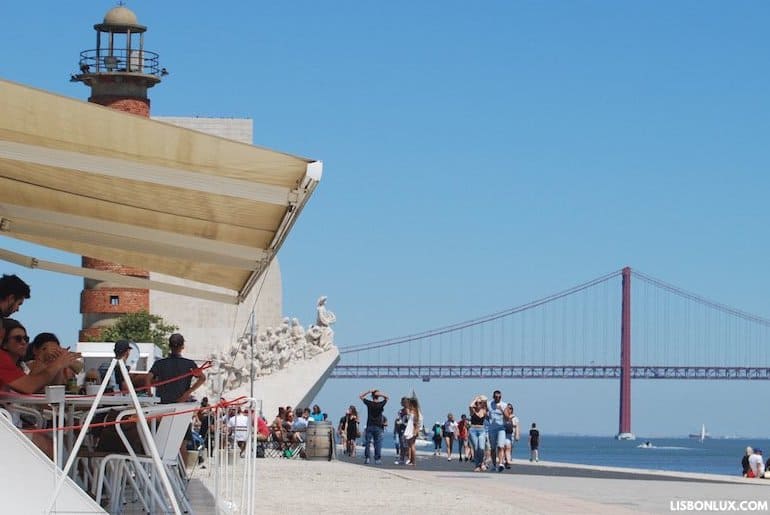
A glassed, white rectangle of minimalist design, placed between the Discoveries Monument and the Altis Belém Hotel, houses a pleasant café for light meals. On the terrace facing the river, tourists and locals enjoy several small plates, salads and toasted sandwiches.
Alcôa
Rua Garrett, 37 (Chiado)
211 367 183
Opens every day
www.pastelaria-alcoa.com
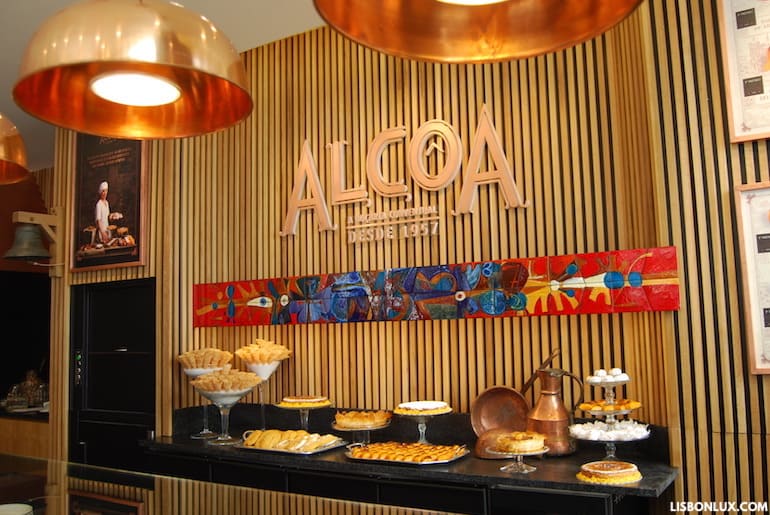
The Alcôa pastry shop dates back to 1957 when it opened in the city of Alcobaça. It’s now considered a master confectioner of the so-called “monastic pastries,” which follow the recipes of Cistercian monks. Multiple winner at several gastronomic festivals, it rose to fame in Lisbon in 2014, when it took the prize for “best custard tart.” That’s when it began looking for a place to open a branch in the capital, and found it in the Chiado district. It’s a place from 1960, decorated with tiles by the artist Querubim Lapa, which have been kept on the façade and inside the new shop.
In addition to the custard tarts, it offers all of its sweet prize-winning temptations, to enjoy at home or on a stroll through Chiado.
Amélia Lisboa
Rua Ferreira Borges, 101 (Campo de Ourique)
213 850 863
Opens every day
instagram.com/amelialisboacafe
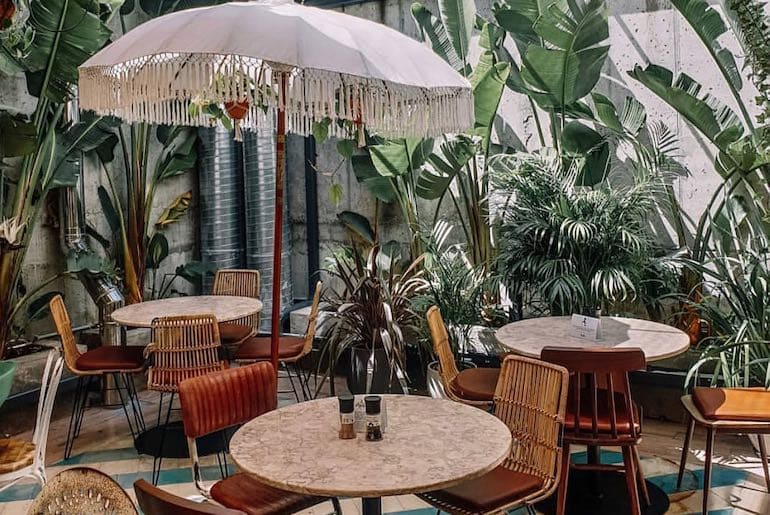
Located on Campo de Ourique’s main street, this attractive café is known for its brunch, pancakes and healthy meals. It has a very inviting patio and a very green interior, decorated with plants on the ceiling and in vases.
Antiga Confeitaria de Belém
Rua de Belém, 84 (Belém)
213 637 423
Opens every day
pasteisdebelem.pt
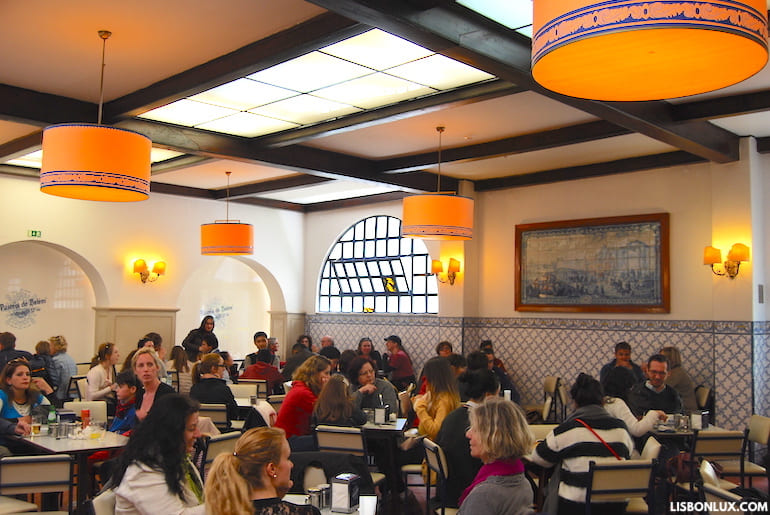
The official name is "Antiga Confeitaria de Belém" ("Belém's Old Confectionery") but everyone simply calls it "Pastéis de Belém" ("Belém Pastries"). Its pastries have become famous around the country and even the world, known internationally as "Portuguese custard tarts" or "pastéis de nata." "Pastel de Nata" is the name of the very same tart when not made at this shop, and those from here are not only the originals but also the best, made from a secret recipe since 1837. They come recommended in every guidebook, which explains the long lines of tourists outside the door. You may grab some to go or savor them oven-warm in the beautifully tiled rooms inside.
Bettina & Niccolò Corallo
Rua da Escola Politécnica, 4 (Príncipe Real)
914 951 610
Opens every day
instagram.com/bettinaniccolocorallo
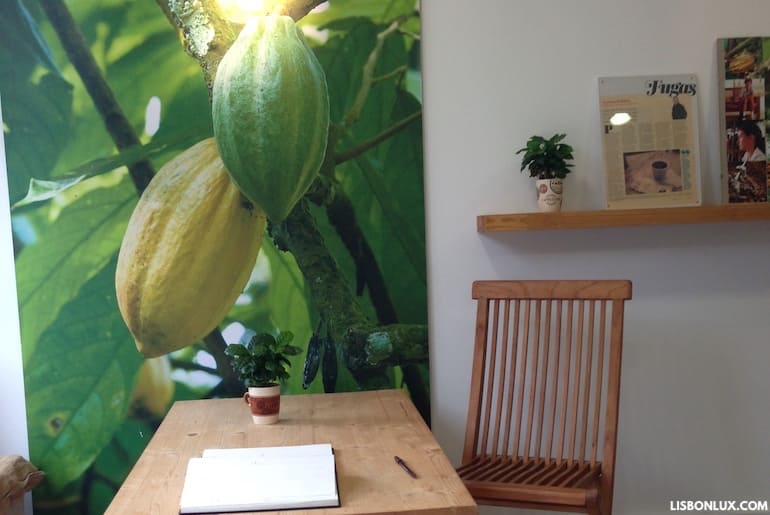
This shop specializes in high-quality all-natural chocolate and coffee from São Tomé and Príncipe, a former Portuguese colony in Africa. The products come straight from the family plantation and are then presented in different forms, such as chocolate-covered coffee beans or ice cream.
Boa Bon
Rua da Conceição 40-42 (Baixa)
929 442 959
Opens every day
instagram.com/boabon.lisbon
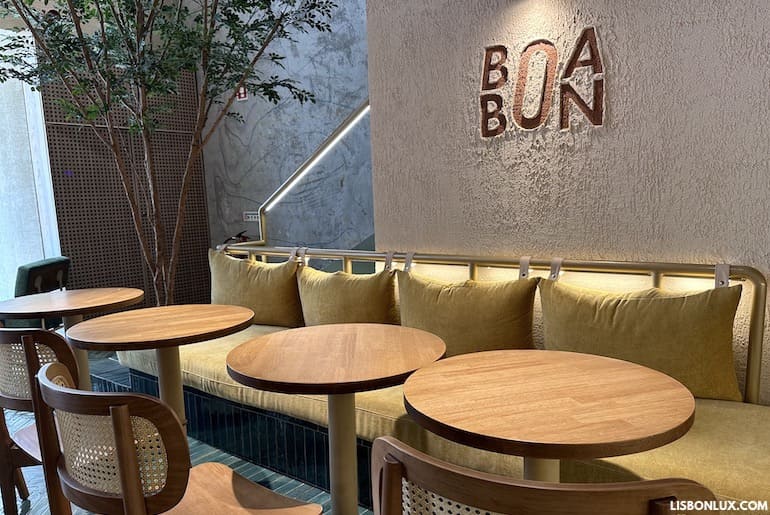
Open for breakfast, brunch, lunch and dinner, this café offers home-made croissants and bread, dishes inspired by Portuguese and international cuisines, local wine and cheese, plus cocktails. Split into two levels, it’s decorated with small potted trees and plants.
Caffe di Marzano
Largo Rafael Bordalo Pinheiro, 32 (Chiado)
212 697 656
Opens every day
caffedimarzano.com
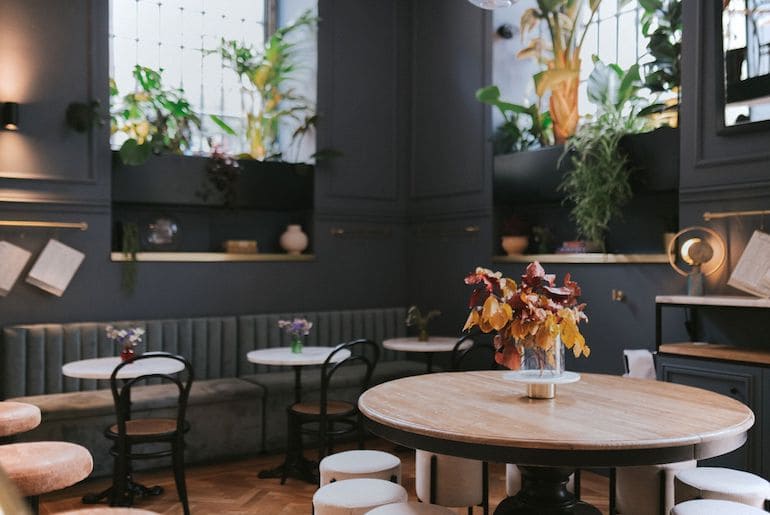
It’s a café and vermute bar; it’s Italian but also inspired by New York, especially at breakfast with its pancakes and eggs. There are different menus for each meal of the day -- one until noon, another from noon to 5 pm, and another from 5 pm until closing, at midnight. The list of drinks also changes, with more juices and smoothies in the morning, wines in the afternoon, and cocktails in the evening.
Café Janis
Rua da Moeda, 1A (Cais do Sodré)
(It doesn't have a phone)
Opens every day
instagram.com/cafejanis
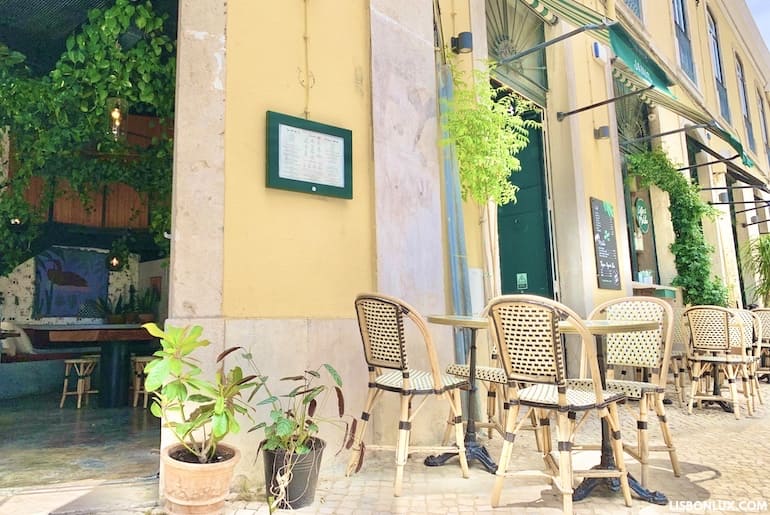
It wants to be an all-day café, so it opens early, for breakfast. It serves healthy meals, mostly vegan and vegetarian. The menu changes at dinner time, and in between there is also a variety of drinks, for those who just want to be in the sun, at the few tables placed outside.
Choupana Caffe
Avenida da República, 25A (Avenidas Novas)
213 570 140
Opens every day
instagram.com/choupanacaffe
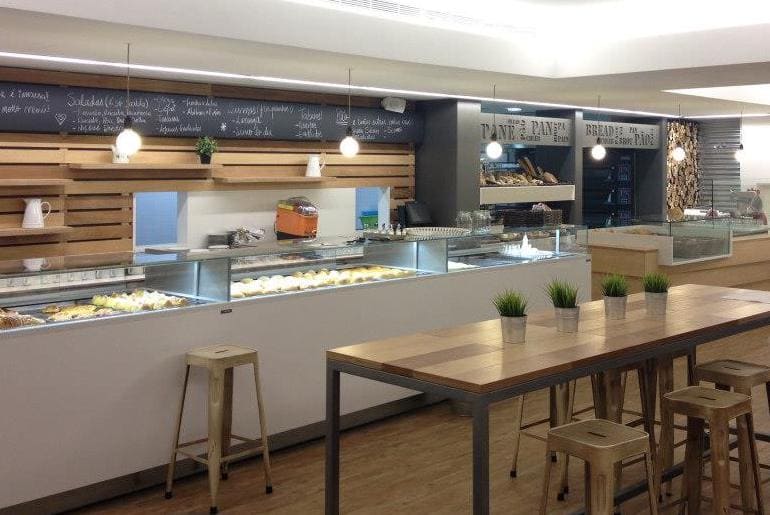
This café serves breakfast, brunch, lunch and afternoon snacks every day of the week. At the entrance you may grab traditional Portuguese and international products, and then enjoy pastries made on the premises. It features a contemporary décor, and a corner of organic yogurt to which you may add different toppings. The menu of light meals ranges from salads and sandwiches to wraps and pancakes.
Comoba
Rua de São Paulo, 101 (Cais do Sodré)
963 288 453
Opens every day
www.comoba-lisboa.com
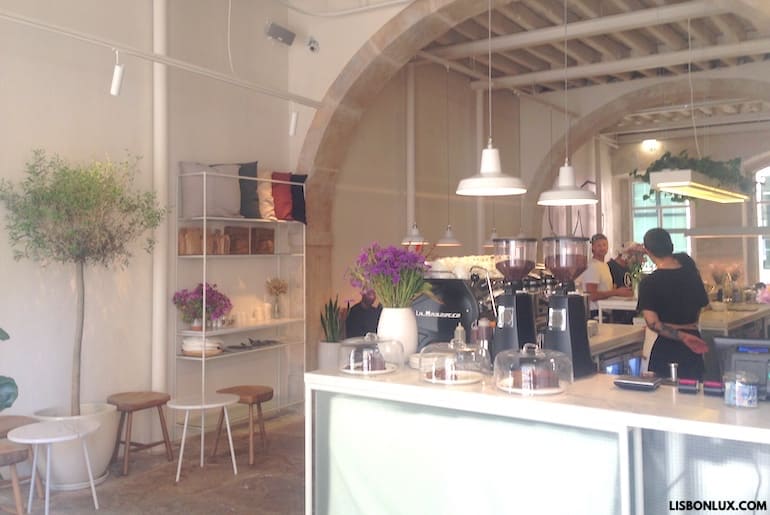
Located across the entrance to the Bica funicular , this café was once a pharmacy. It maintains the curious tiled façade, but the interior has been turned into a Nordic-style coffee shop. The old stone floor and arches are still there, but it’s now filled with marble tables, where specialty coffee and light meals are served, from early morning to late afternoon. In addition to the coffee, the matcha pancakes are another specialty, and there are also smoothie bowls, tacos, burritos, the soup of the day, and cheesecake.
Confeitaria Nacional
Praça da Figueira, 18 (Baixa)
213 424 470
Opens every day
confeitarianacional.com
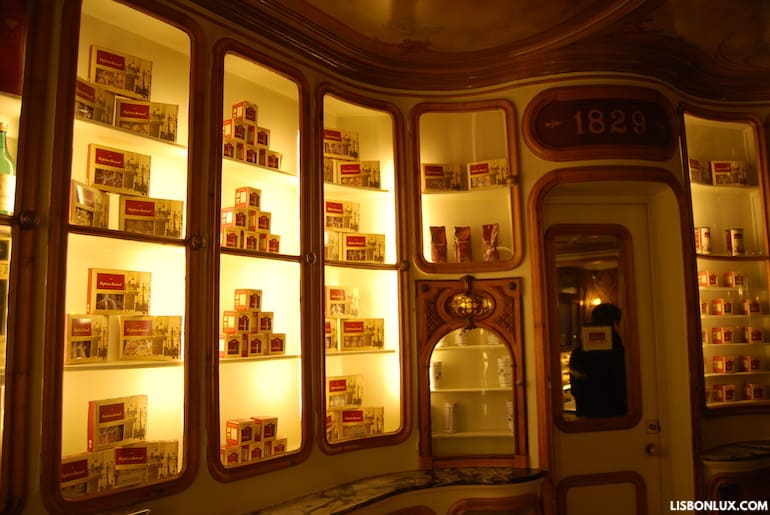
It's almost two centuries old (it was founded in 1829) but holds on to its reputation as one of Lisbon's best cafés and pastry shops (it was the official confectioner of the royal family and has won international prizes in Vienna, Paris and the United States). It's particularly famous for its Christmas cake ("Bolo Rei" or "King Cake"), a national tradition that started when the original owner brought a recipe from Paris in 1850. At any other time of the year this is also a safe bet to try dozens of traditional Portuguese pastries or to pick up a birthday cake, but another reason for a visit is the beautiful interior that has kept its elegant, classic look with a marble counter and mirrored ceiling.
Upstairs, up a wooden staircase, is a dining area where reasonably-priced Portuguese dishes are served at lunchtime.
Copenhagen Coffee Lab
Rua Nova da Piedade, 10 (Príncipe Real)
916 604 054
Opens every day
copenhagencoffeelab.com
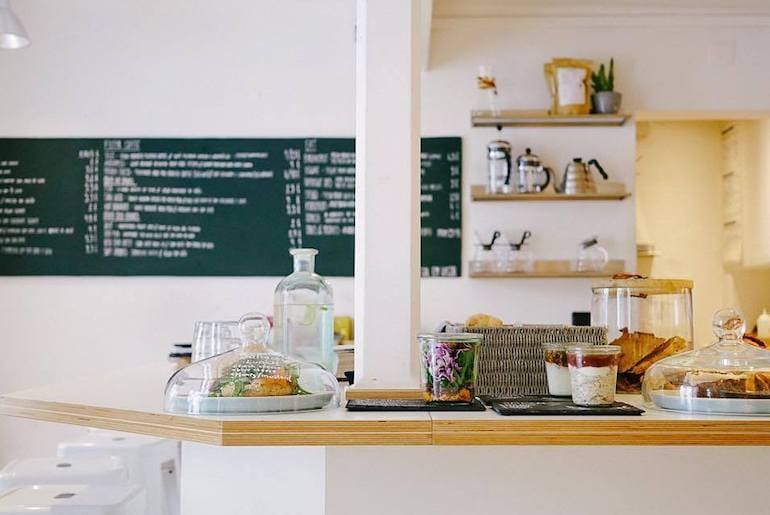
This coffee shop, just around the corner from Praça das Flores, is meant to be a lab dedicated to the various ways of preparing and serving coffee, while the customer sits reading, studying, at the computer using the free wi-fi, or simply relaxing. It offers a small meeting room, also allowing you to work as you enjoy a cup of coffee. In addition to the variety of coffee, it serves tea and hot chocolate, which may accompany a piece of cake or sandwich.
The concept arrived from Copenhagen, and that’s where the roasted coffee beans come from. The space’s minimalist décor also derives from Nordic inspiration.
For those who prefer to enjoy their coffee at home, there’s coffee to go.
Darwin's Café
Avenida Brasília (Belém)
210 480 222
Opens every day
www.darwincafe.com
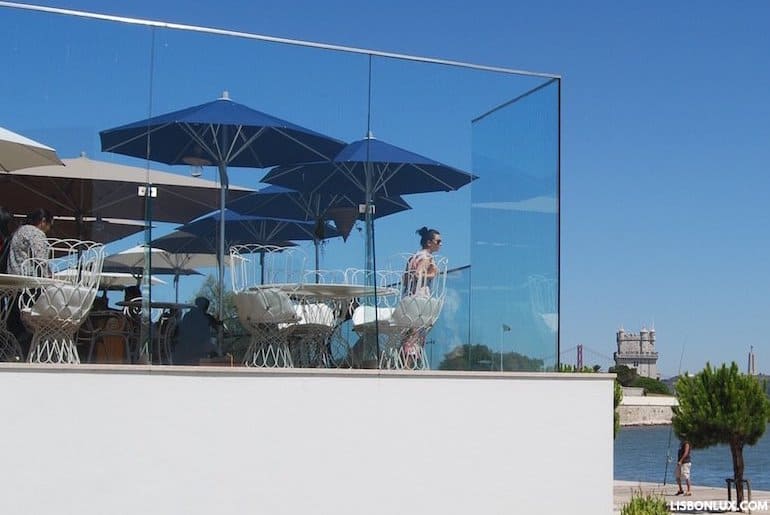
Walking along the waterfront, past the Belém Tower towards Algés, you reach the building of the Champalimaud Foundation, a center of biomedical research. Inside, facing the river and the tower, is this café and restaurant with a terrace, serving lunch and dinner, and light meals in between. The décor is contemporary but inspired by classic science libraries.
Dear Breakfast
Rua das Gaivotas, 17 (São Bento); Calçada de Sao Francisco, 35 (Chiado)
912 281 082 (São Bento); 964 867 125 (Chiado)
Opens every day
www.dearbreakfast.com
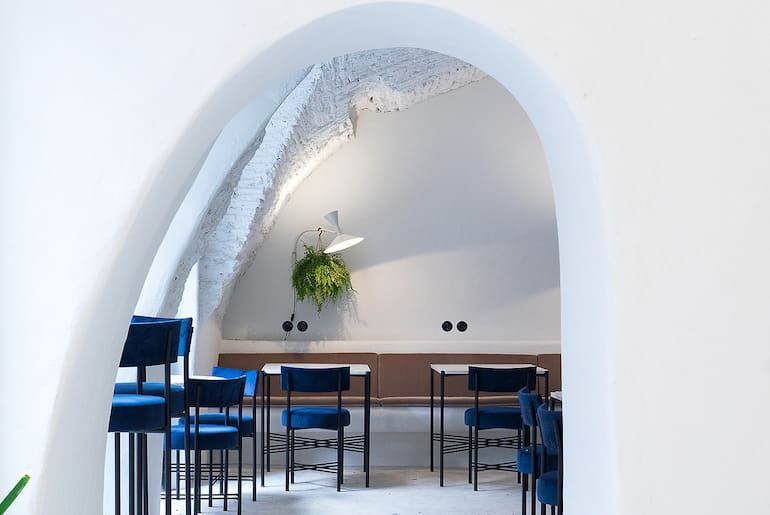
Who says breakfast has to be the first meal of the day? Coffee, tea, juice, toast, fruit and eggs can also be lunch or an afternoon snack, and that is exactly what this café, hidden between the neighborhoods of São Bento and Santos, offers first thing in the morning and until 4pm (5pm on weekends).
The specialty is eggs, which come with bacon, salmon, spinach or a variety of other ingredients. There are also açaí bowls and salad.
Deli Delux
Avenida Infante D. Henrique/Jardim do Tabaco - Armazém B (Alfama); Rua Alexandre Herculano, 15A (Avenida da Liberdade)
218 862 070 (Alfama), 213 141 474 (Avenida)
Opens every day
www.delidelux.pt
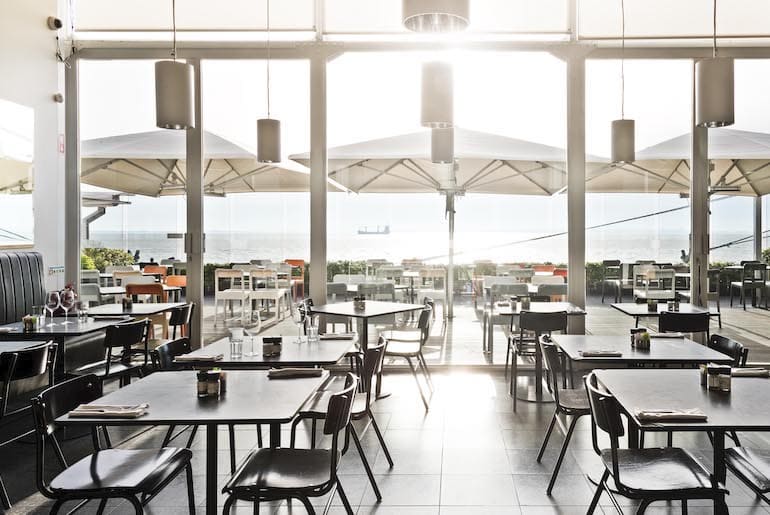
It was one of the first gourmet shops to offer imported products, and one of the first cafés to serve brunch in Lisbon. Today it has two branches -- the first one in a converted warehouse by the river, and another around the corner from Avenida da Liberdade. At the first one, you see the local and international products as soon as you enter, while tables are placed by the counter and on a terrace facing the Tagus. The second branch also has outdoor seating, but with fewer tables, and also serves brunch on weekends and light meals at any time.
Delta Q
Avenida da Liberdade, 144
213 427 351
Opens every day
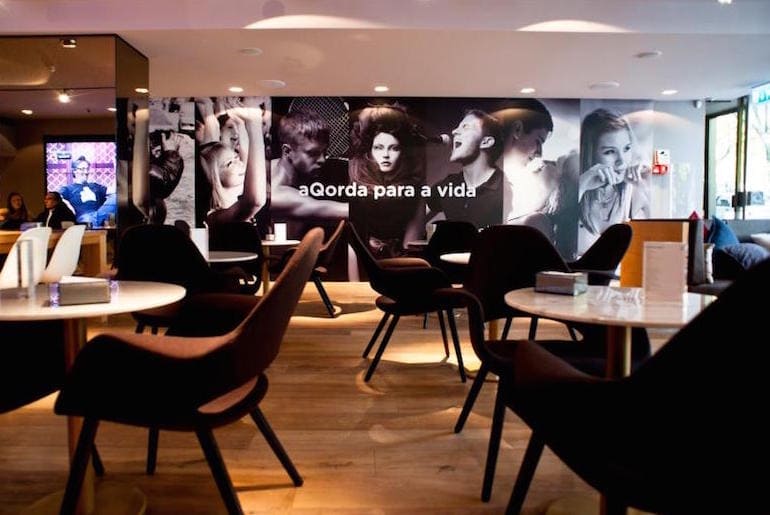
The Delta Q coffee brand's flagship store on Avenida da Liberdade is also a lounge/café with comfortable sofas and long tables inviting you to stay for a cup of coffee or tea. It offers free wi-fi, and if you get hungry it serves light meals (salads, soups, wraps and desserts).
The materials used in the décor, such as wood and cork, reflect the brand's focus on the excellence of Portuguese products, also available in the form of olive oils, wines and chocolates, for sale next to its coffee machines.
Fábrica Coffee Roasters
Rua das Portas de Santo Antão, 136 (Avenida da Liberdade); Rua das Flores, 63 (Chiado)
211 399 261 (Avenida); 211 392 948 (Chiado)
Opens every day
fabricacoffeeroasters.com
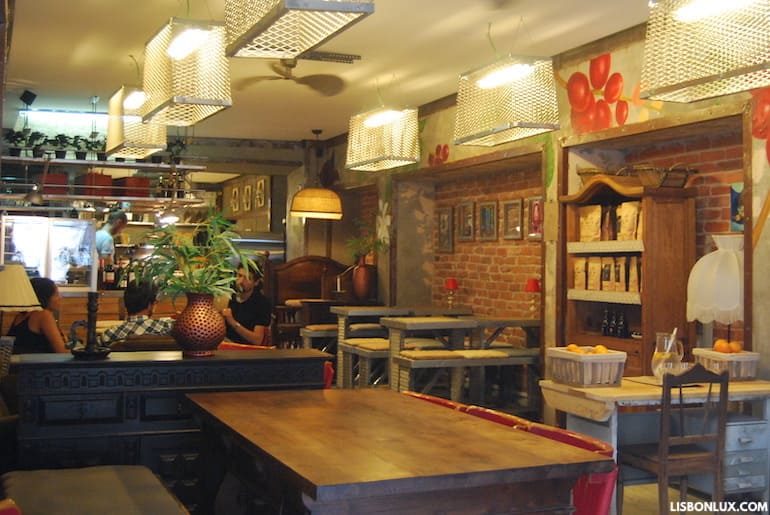
This coffee shop says its goal is to "select, roast and serve the best coffee in Lisbon." To achieve that, it imports ripe coffee from Brazil, Colombia and Ethiopia, roasting and grinding it on the premises, and serving it on the spot or placing it in packages of 250 or 500 grams for sale. This way you may have your specialty coffee at home or at the café, which has two branches -- one just around the corner from Avenida de Liberdade and another in Chiado. The first one also has outdoor seating just steps from the Lavra funicular .
Both spots mix an industrial and a vintage style, with wood and brick walls, and large coffee bags.
To accompany the coffee there are custard tarts, croissants and some options for light meals, such as sandwiches and salads, which may also be accompanied by craft beer.
Fábrica da Nata
Rua Augusta, 275A (Baixa); Praça dos Restauradores, 62-68 (Avenida da Liberdade)
912 551 171 (Rua Augusta); 217 933 766 (Restauradores)
Opens every day
www.fabricadanata.com
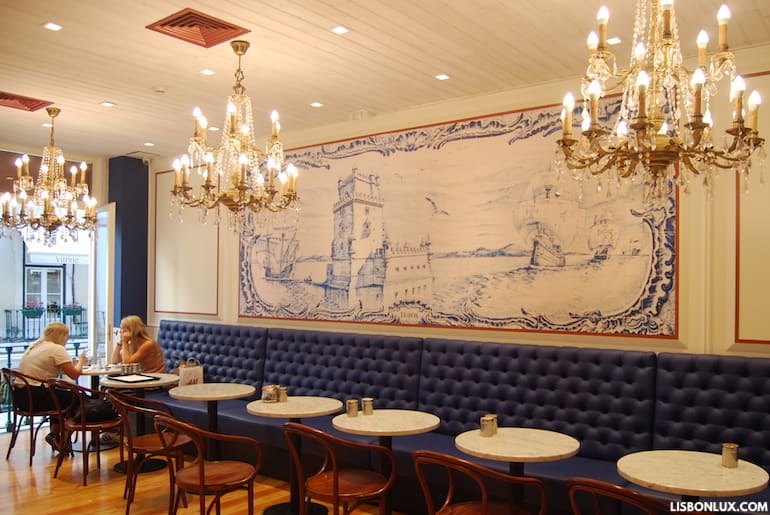
There's another custard tarts factory in Lisbon, and you no longer have to go all the way to the Belém district to enjoy the famous Lisbon pastry just out of the oven. What was previously a restaurant in Restauradores Square now doubles as a factory and café, following the tradition in the confectionery process and in the décor, recalling the city’s classic cafés.
The tarts are made right in front of you, and served when they’re still warm, usually sprinkled with cinnamon and/or powdered sugar. You may grab just one or a dozen to go, or stay inside or at the tables outside looking out to the bustling square.
In addition to the sweet tarts there are choices for breakfast (it opens at 8am), lunch and afternoon snacks, such as pork or Serra cheese sandwiches, and salads.
A second branch is found on Rua Augusta, split into two levels and offering the same service plus a view over the city's main pedestrian street from the upper floor.
Fauna & Flora
Rua da Esperança, 33 (Madragoa)
961 645 040
Opens every day
instagram.com/faunafloralisboa
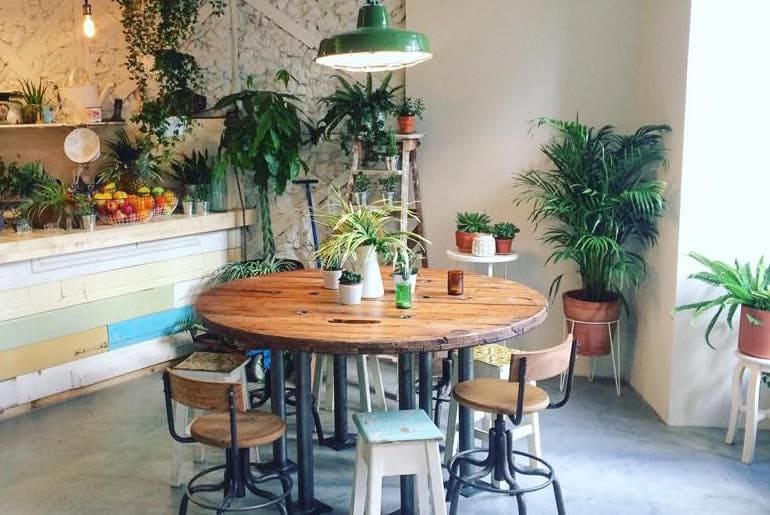
This café’s breakfast and brunches have been drawing many people to the neighborhood of Madragoa, especially on weekends. Many can’t resist its pancakes, bowls and healthy meals (that include several vegetarian options), served in a cozy space decorated with plants.
Fragoleto
Rua da Prata, 61 (Baixa)
213 479 472
Opens every day
fragoleto.pt
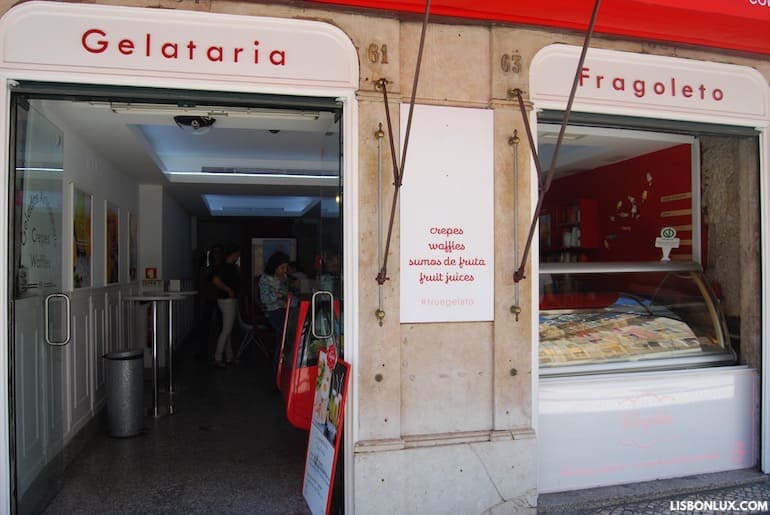
It's one of the oldest ice cream shops in town and many insist that it's the best. The owner learned the art of ice-cream-making in Italy, and offers many choices made with seasonal fruits, as well as options for vegans and the lactose intolerant.
Heim Cafe
Rua de Santos-O-Velho, 2-4 (Santos)
212 480 763
Opens every day
instagram.com/heimcafe.lisbon
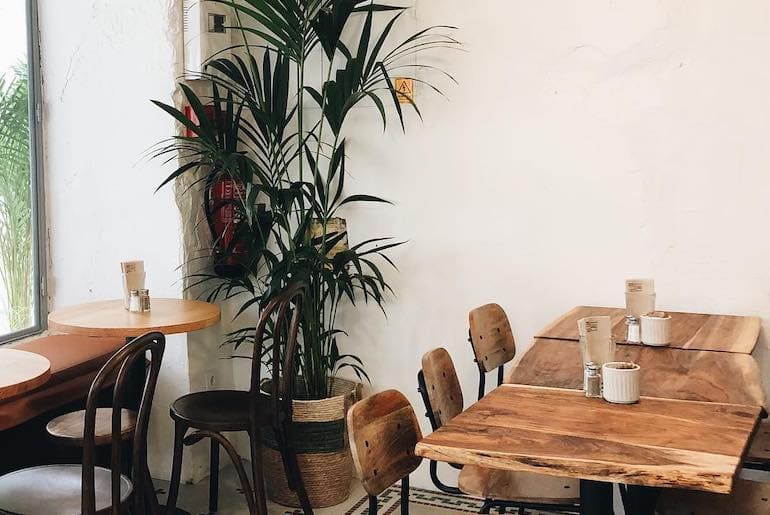
Found not far from the Ancient Art Museum, this café is one of the most popular destinations for brunch, and not just on weekends. It has four brunch menus, several options of eggs and toast, plus pancakes and waffles. The interior is small and minimalist, but there are more tables outside.
Hello, Kristof
Rua do Poço dos Negros, 103 (São Bento)
(It doesn't have a phone)
Closes on Saturdays and Sundays
instagram.com/hellokristof
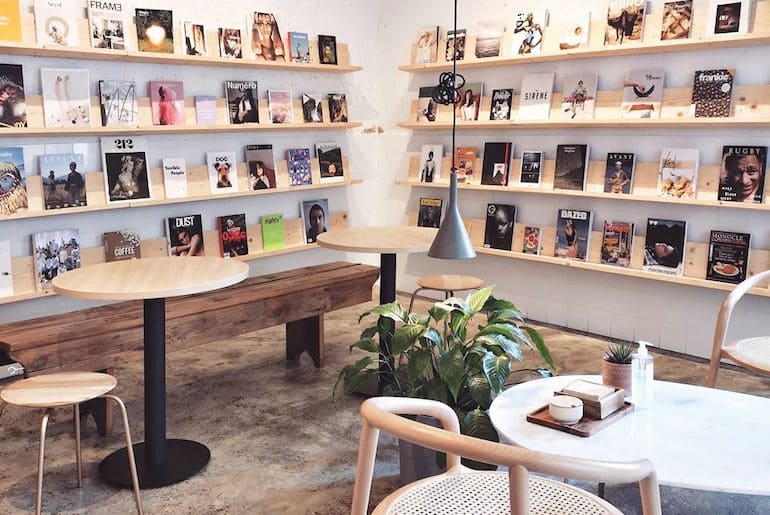
It opened in 2016 as a magazine shop that served coffee, but now the magazines are part of the décor (a minimalist, Nordic style, with light colors and a few plants), and it focuses more on the coffee, to be enjoyed slowly on the few chairs and benches. The magazines are imported from several countries and cover different topics, from cinema to food, to architecture, photography, fashion and queer issues. At the counter you may grab an espresso, cappuccino, latte, or filtered coffee, which can accompany croissants and homemade cakes.
Kaffeehaus Café
Rua Anchieta, 3 (Chiado)
210 956 828
Closes on Mondays
www.kaffeehaus-lisboa.com
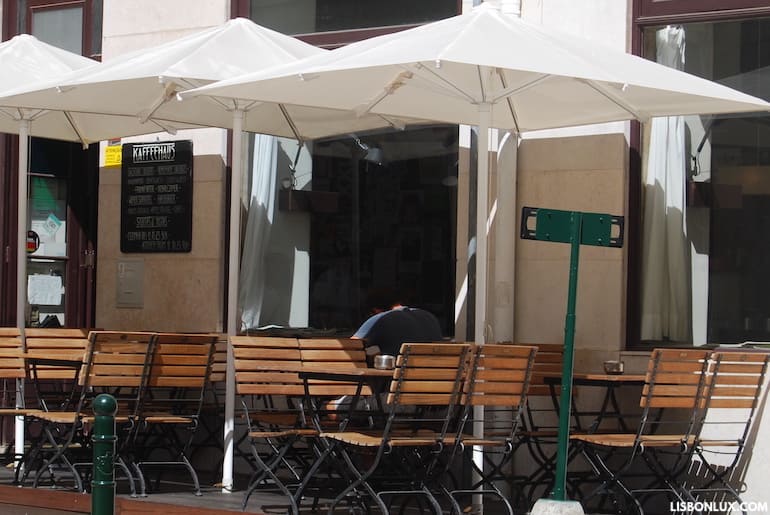
Two Austrian friends opened this Vienna-inspired café in Chiado and it immediately became one of the hottest addresses for a drink and light meal, especially on Sunday morning for brunch. One of the walls is covered with film posters while the rest of the décor is minimalist and contemporary. Daily specials are listed on a blackboard, and may also be served at the tables outside.
Landeau
Rua Rodrigues Faria, 103/Lx Factory (Alcântara); Rua das Flores, 70 (Chiado)
917 278 939 (Lx Factory); 911 810 801 (Chiado)
Opens every day
instagram.com/landeau_chocolate
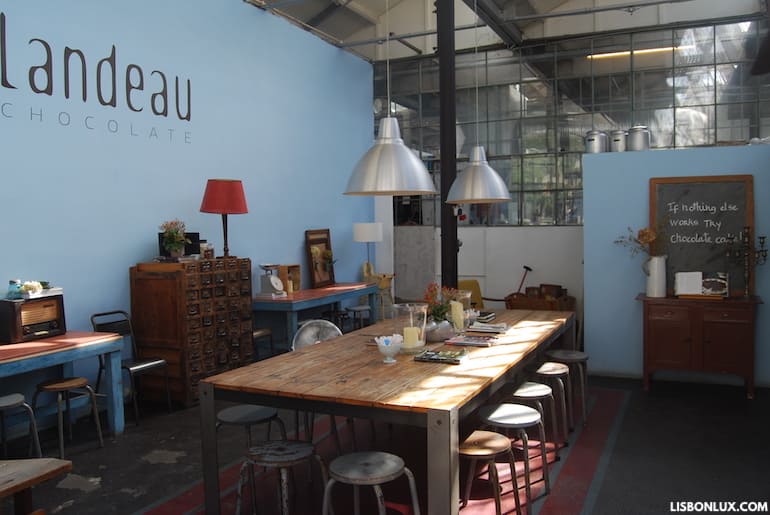
Sofia Landeau delighted the customers of a now-closed café in Chiado with her chocolate cake so much, that she felt the need to create her own brand and open two stores. The first one is at Lx Factory, and the second in Chiado. The cake is 70% cocoa, and you may place an order to enjoy it at home. At both branches, they're served with coffee or tea, among other drinks.
Manteigaria
Rua do Loreto, 2 (Chiado); Rua Augusta, 195-197 (Baixa)
213 471 492 (Chiado)
Opens every day
instagram.com/manteigaria.oficial
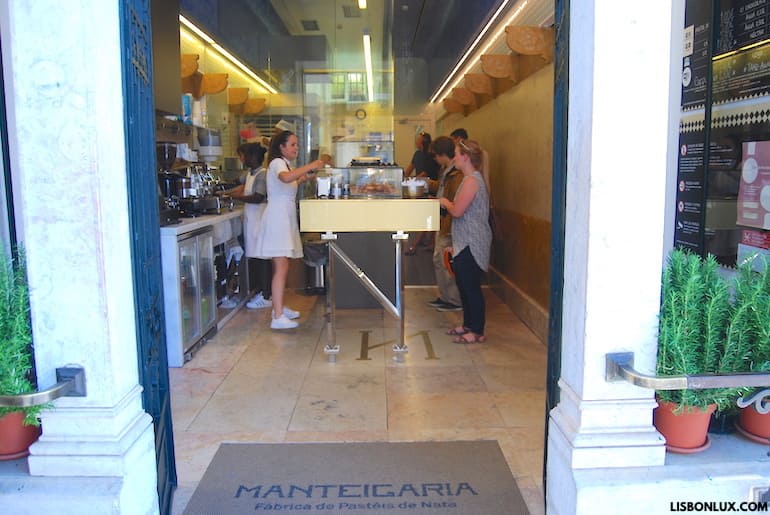
A small space with an Art Nouveau façade facing Camões Square, that was once part of a butter shop, reopened as a "custard tarts factory." The tarts are continuously made in front of you throughout the day, and you may take a few to enjoy at home or have them at the counter.
A second branch has opened in the pedestrian Rua Augusta, in what was previously a historic shirt store.
Martinho da Arcada
Praça do Comércio, 3 (Baixa)
218 879 259
Closes on Sundays
martinhodaarcada.pt
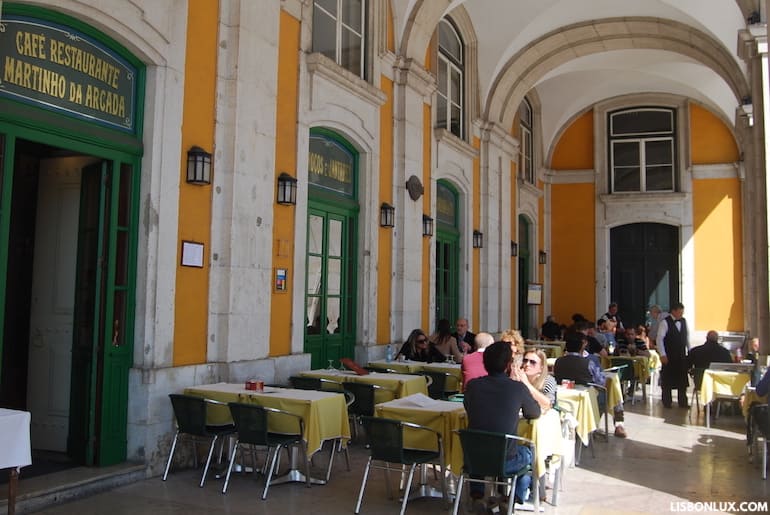
Lisbon's oldest café (opened in 1782) is known for its literary references, including its period as a second home to Fernando Pessoa. When he wasn't at A Brasileira (see above), the famous Portuguese poet used to sit and write at the same table inside this café, and you'll now see his portrait on the walls. Other famous personalities of Portuguese culture, such as painter Amadeo de Souza-Cardoso and poet Cesário Verde, were also regular clients. Today, most come here for a drink and people-watching at the outdoor tables facing Comércio Square, but it also serves lunches and dinners of Portuguese cuisine inside.
Nannarella
Rua Nova da Piedade, 64A (São Bento)
926 878 553
Opens every day
www.nannarella.pt
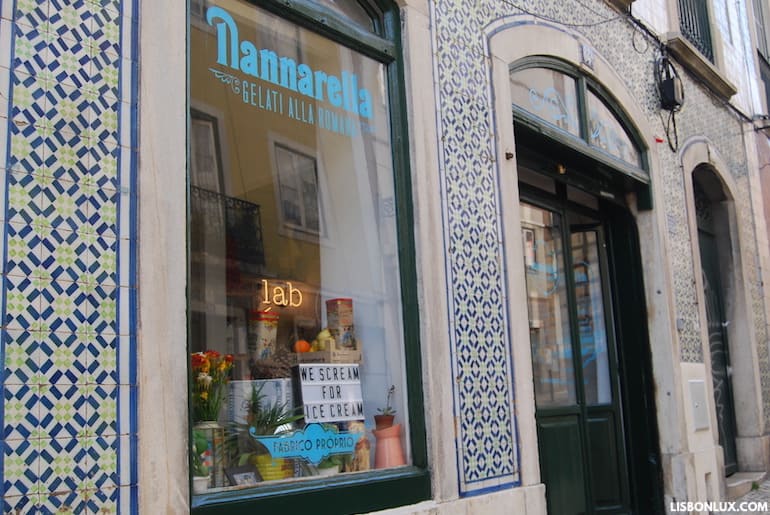
Between Praça das Flores and São Bento Palace is this artisanal ice cream shop which is also a “lab” for the Italian owner. That’s because he experiments with different flavors every day, mixing fresh local products and others imported from Italy, to offer new flavors daily. They’re served Roman-style, using a spatula instead of a scoop, in a cup or cone, with as many flavors as you wish. Every ice cream is all-natural, with no artificial colorings or preservatives, and comes with optional whipped cream on top. There’s no place to sit in the tiny interior, which only has space for the counter, so there’s always a line out the door.
Nicolau Lisboa
Rua de São Nicolau, 17 (Baixa)
218 860 312
Opens every day
www.ilovenicolau.com
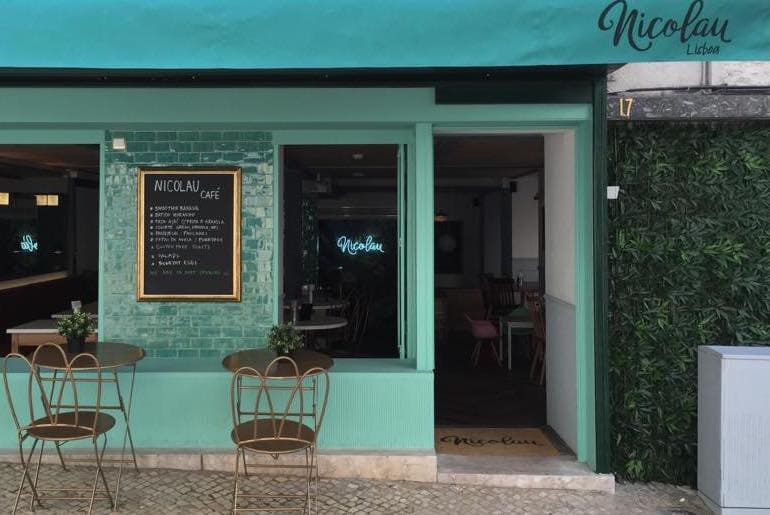
Unlike many other cafés in town, which only serve brunch on weekends, here you can have brunch every day, at any time. There are also salads, açaí bowls, pancakes, smoothies and green juices, meaning healthy choices from breakfast to afternoon snack. Both the interior and the façade are covered with green tiles, and filled with custom chairs and tables. Inside you’ll find an open kitchen and music playing from a record player, while outside you have seating for up to 12 people.
Noobai Café
Miradouro de Santa Catarina (Santa Catarina)
213 465 014
Opens every day
www.noobaicafe.com
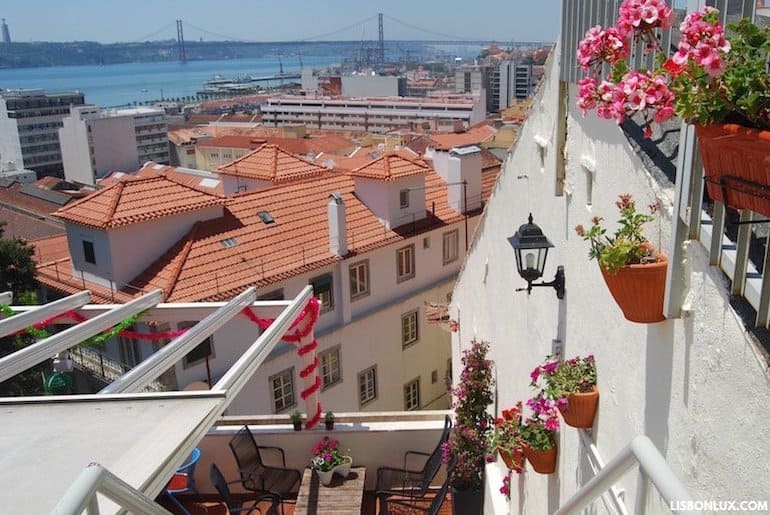
It serves good light meals, drinks, and desserts, but the reason everyone comes to this spot on the Santa Catarina viewpoint is for the terrace with a panoramic view over the city on three levels. You'll be standing over Lisbon's rooftops, often as a live DJ spins a number of upbeat sounds. It's especially popular for brunch on Sunday afternoons, and at sunset.
Olivia
Avenida Marquês de Tomar, 69A (Avenidas Novas)
217 961 742
Closes on Mondays
instagram.com/olivialisboacafe
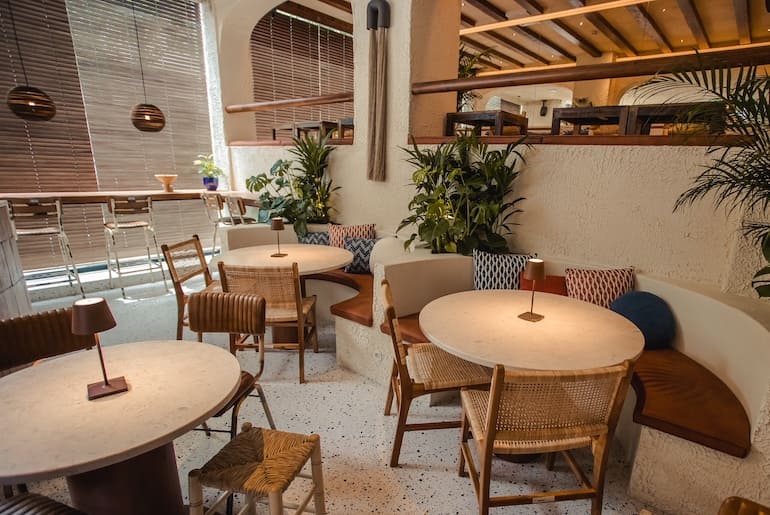
Here you can have breakfast, brunch, lunch or dinner at any time, as the menu, based on seasonal ingredients, has options that can be served at any time of the day. There’s something for everyone, from the typical pancakes and eggs for breakfast or brunch, bowls, homemade cold-fermented pizzas, and meat, fish, vegetarian and vegan dishes inspired by different parts of the world. Desserts also satisfy both the health-conscious and those with a sweet tooth, with the highlights being the Olivia Cookie and the pavlova.
Pastelaria Batalha
Rua da Horta Seca, 1 (Chiado)
214 019 117
Opens every day
pastelariabatalha.com
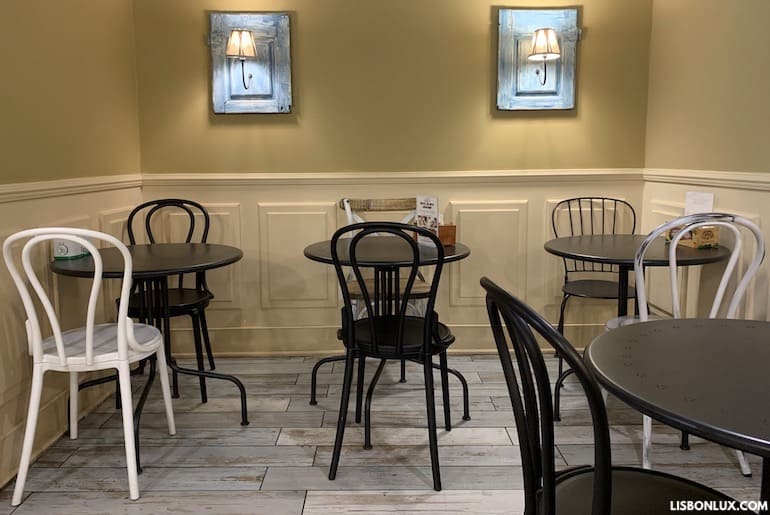
This pastry shop is originally from the town of Venda do Pinheiro, a few minutes north of Lisbon, and over the years it has been given several awards for its traditional pastries, such as the custard and bean tarts (also available in a gluten-free version), and especially for its saloio bread, elected "Portugal’s best bread." Today it's also popular for it vegan custard tarts.
In 2017 it opened a shop right in the center of the capital, facing Praça Luís de Camões. Here it also serves salads, soups and sandwiches, in a space decorated with old, restored doors, windows and furnishings.
Pastelaria Versailles
Avenida da República, 15A (Avenidas Novas); Rua da Junqueira, 528 (Belém)
213 546 340 (Avenidas Novas); 218 228 090 (Belém)
Opens every day
grupoversailles.pt
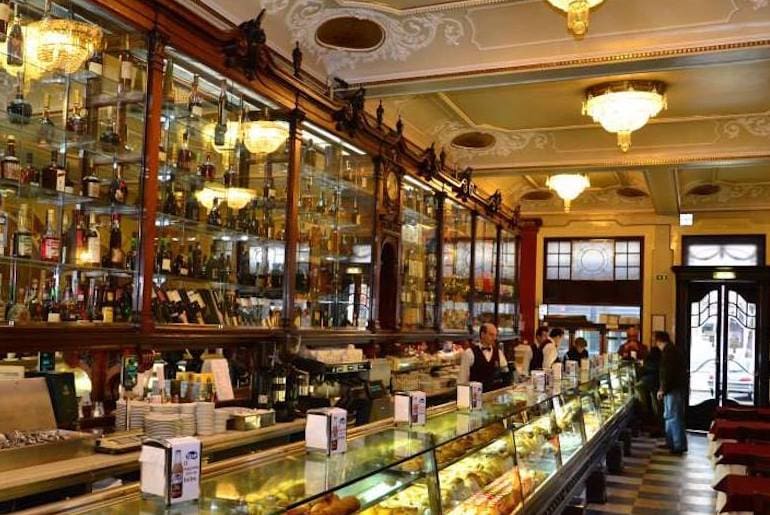
It dates from 1922, but the palatial interior actually makes it look even older. It's named after the famous palace outside Paris, and it wouldn't be out of place in such a building. Mirrors, stained glass and art nouveau touches make up the décor, creating the ambience of a classic European café. It serves the biggest variety of pastries in Lisbon, and is also a restaurant, with a separate section serving traditional Portuguese dishes.
In 2017 it opened another branch, across the street from the Coaches Museum .
Santini
Rua do Carmo, 88 (Chiado)
213 468 431
Opens every day
www.santini.pt
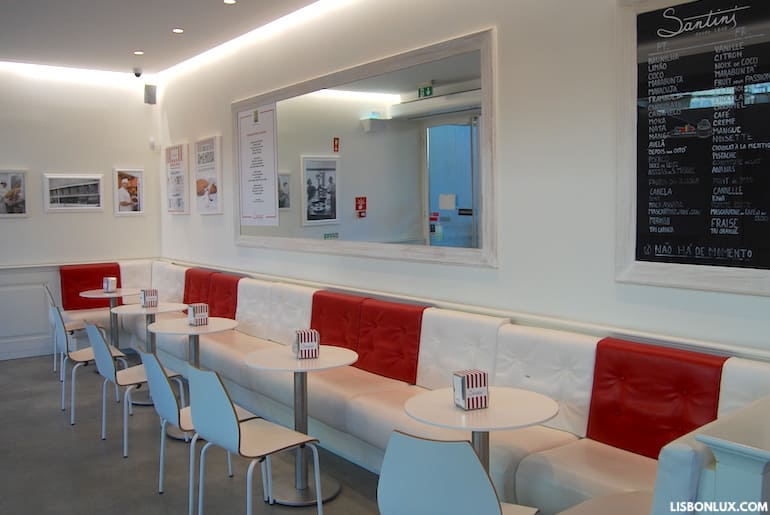
This ice cream shop first opened in Cascais, and since its first branch in Lisbon it has become the most famous in the region. In the same family for three generations, it has always experimented with a variety of ingredients, and there are usually over 20 flavors to choose from -- from the classics (chocolate, caramel, vanilla) to fruit (apple, raspberry, mango, lemon, passion fruit...), to the more unusual (cinnamon, coffee...). It also serves crepes, brownies and the "Best Chocolate Cake in the World."
Seagull Method Café
Rua da Palmeira, 23 (Príncipe Real)
213 421 232
Opens every day
instagram.com/seagullmethodcafe
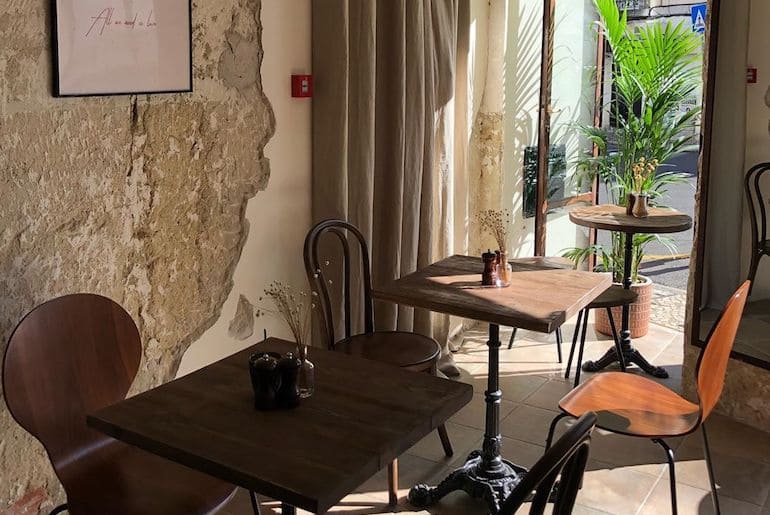
This small café opens its glass doors and windows to the center of Príncipe Real, inviting residents of the neighborhood and visitors to take a break for coffee or a light meal. There are options for all the daytime hours, inspired by different parts of the world (there are pancakes, French toast, and salads) and accompanied by natural juices and smoothies.
The Mill
Rua do Poço dos Negros, 1 (São Bento)
(It doesn't have a phone)
Opens every day
www.themill.pt
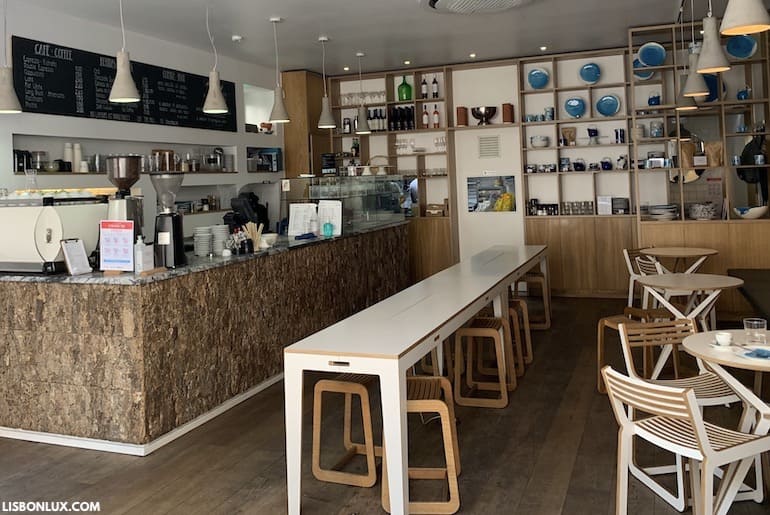
It opens early (at 8am) and serves breakfast food (pancakes, eggs, toasted sandwiches and bowls) until mid-afternoon. However, it stands out for its coffee -- cappuccino, macchiato and espresso, prepared with exclusive blends, in a white La Marzocco machine, which can be seen by the entrance. There are two varieties to choose from -- the house blend made from beans of different origins and the Arabica from Ethiopia. You may grab 250g bags to take home, or enjoy it at one of the tables that fill the relaxed, contemporary interior.